
Robotic Process Automation (RPA) in Transportation & Warehousing
Automate tasks, accelerate processes, and reduce costs. Enjoy faster order fulfillment, improved inventory management, and happier customers.
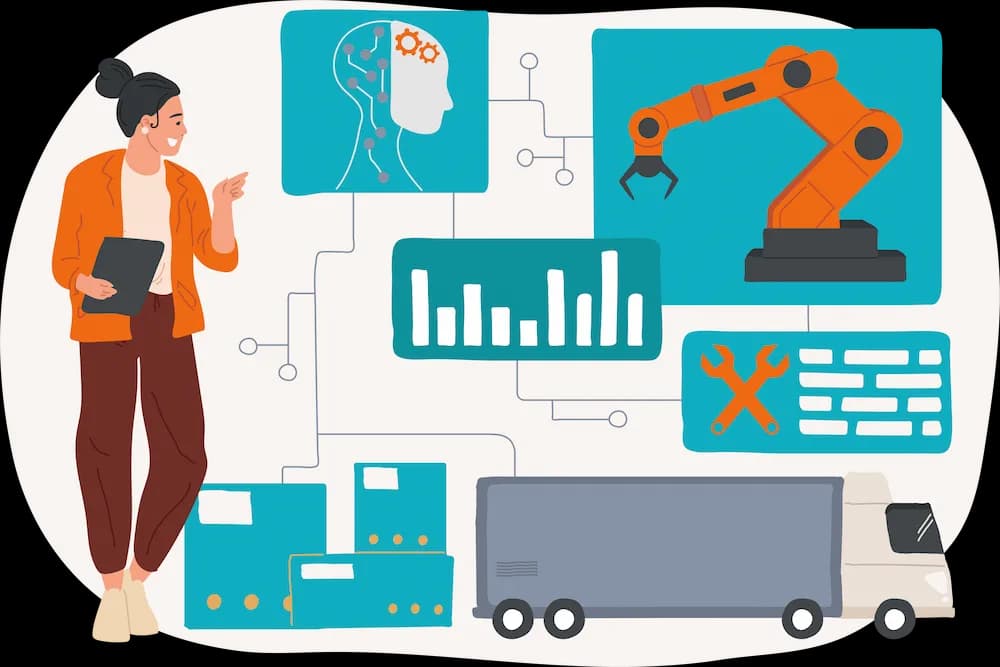
AIRPA Transforming Traditionally Functioned Warehousing and Transport with RPA
Seamlessly handle scheduling, tracking, order processing, and beyond by managing interdependencies automatically with RPA.
It's time for companies to evaluate their supply chains and pinpoint opportunities for employing autonomous robots, spanning from robotic process automation to AI-powered self-driving cars. This strategic move can lead to substantial boosts in productivity and efficiency, all while reducing labor costs and elevating customer satisfaction.
RPA, in particular, provides a high ROI at a minimal entry cost. It may be used to increase the efficiency of processing shipments, monitoring fleets and inventories, handling communication with clients, tracking shipments, and minimizing risk by decreasing human error.

AIRPA airmarks the ideal entry point for introducing RPA in your organization
RPA will cut down the time your team members spend on certain processes, saving up to 90% of your workforce's time.
Talk to Our Logistics and Transportation SpecialistWhat AIRPA can automate with RPA in Transport Management?
As logistics and transportation firms begin on their RPA journey, they are not just streamlining operations but also setting new benchmarks for excellence in the digital world. The future of logistics and transport management is found in adopting technology such as RPA, which may flip obstacles into opportunities for development and improvement. AIRPA continually takes hold of constructing an Automation roadmap to optimize transport management and logistics for those organizations trying to achieve top logistics industry goals with RPA. Get ready to gather more on this.
Route Optimization
Reducing delivery times and transportation expenses requires effective route planning. To optimize delivery routes, RPA algorithms consider a variety of factors, including traffic patterns, weather, and historical data. This guarantees on-time delivery in addition to lowering fuel usage.
Compliance and Documentation
Transportation of goods often calls for regulatory compliance and detailed documentation. RPA aids in compliance management by automating the preparation and validation of shipping documents, customs declarations, and other required papers. This reduces the possibility of costly compliance errors and border crossing bottlenecks.
Shipment Tracking
Shipment tracking in real time serves as vital for both businesses and customers. RPA offers automatic tracking, giving visibility into shipment location and status. This transparency fosters trust among customers and allows businesses to resolve any delays or difficulties ahead of time.
Sustainability in Transport
In logistics, sustainability is becoming more paramount. RPA may help with sustainable transportation management by optimizing routes for energy efficiency, lowering emissions, and assisting enterprises in meeting their environmental targets. It can also automate reporting on sustainability metrics, promoting transparency and accountability.
Invoice and Billing
Invoicing must be accurate and timely in order to control cash flow. RPA automates the creation and distribution of bills, ensuring that they are error-free and delivered on time. It can also reconcile invoices and delivery confirmations, eliminating disputes and payment processing delays.
Why Implement AIRPA for Warehouse & Transportation Processes?
Warehouse and transportation managers must deal with a large amount of data that is spread across multiple software systems, including Transport Management Systems (TMSs), Warehouse Management Systems (WMSs), Enterprise Resource Planning (ERP) systems, Customer Relationship Management (CRM) systems, Excel spreadsheets, and paper documentation. RPA software bots can unburden individuals from most of this regular labor and perform it faster 24/7. Learn how we can elevate your operations:
- Shift from Data Entry to Strategic Planning
- Increased Warehouse Productivity
- Error-free Document Management
- Fast Development and Deployment
- High Flexibility
- Satisfied Clients
- Reduced Processing Time
- Productive Workforce
- Maximized Space Utilization
- Long-term Sustainability
- Fast Scale-up
- Higher Resilience
1 of 12: Shift from Data Entry to Strategic Planning
Which Warehousing Processes Can AIRPA Enhance?
AIRPA's RPA technology is used in warehouse management systems to automate alerts in various processes, such as goods receipt and picking. RPA also enables you to sync the WMS with other programs in the installation, such as ERP, TMS (transportation management system), and more complicated manufacturing systems. Get ready for a deep learning about this.
Inventory Management
Inventory management necessitates a careful balance between supply and demand. It include keeping track of stock levels, product expiration dates, and assuring accurate stock counts. In this sector, RPA is a game changer, automating processes to maintain appropriate inventory levels and reduce carrying costs. A full-fledged warehouse management system, on the other hand, would be ideal.
Additionally, AI and RPA in supply chain can significantly benefit operations by improving order fulfillment accuracy.
Order Fulfilment
In order to meet consumer expectations, order fulfillment must be quick and accurate. Order processing, picking, and packaging are all automated using RPA, which greatly lowers error rates and speeds up order turnaround times. This guarantees that consumers receive their orders on time, promoting client satisfaction and loyalty.
Quality Assurance & Regulatory Compliance
Quality assurance and ensuring regulatory compliance are essential components of every warehousing business. RPA may be configured to do quality checks on incoming and outgoing goods, alerting users to any differences or flaws while adhering to compliance. This maintains product quality while lowering the chance of costly returns and replacements.
Data Management
Every day, warehouses create massive volumes of data. RPA effectively performs data input, reconciliation, and reporting operations. This guarantees that decision-makers have access to accurate and up-to-date information, allowing for more effective strategic planning and forecasting.
Enhancing Warehouse Automation Process
In warehouse operations, safety is the highest priority. By automating routine safety inspections, monitoring equipment conditions, and checking compliance with safety rules, RPA may supplement safety procedures. This improves warehouse personnel morale and minimizes the likelihood of accidents and disruptions.